
Bonds & guarantees
Performance, bid, advance payment, retention, and payment guarantees — the paper public works and private contracts ask for before cash moves.
Trade finance
Bonds, guarantees, letters of credit, and cash against invoices, orders, and cargo — for contractors, importers, and suppliers.
How it sits
A contractor needs a bond before mobilisation. An importer needs an LC before the vessel is booked. A supplier has delivered and is waiting 60 days. Trade finance fills that gap — we issue or arrange the instrument, explain the cost in writing, and stay with the file until it is released.
Where the instrument must sit on a bank’s books, we structure the file and work with a banking partner. You still deal with RapidCash.
Bonds & guarantees
Performance, bid, advance payment, retention, and payment guarantees — the paper public works and private contracts ask for before cash moves.
Trade & imports
Letters of credit and import finance for cargo through the port or the ICD. Documents have to match, or the goods sit.
Receivables & stock
Invoices, purchase orders, working capital, supply-chain and structured facilities when the cycle is longer than a shop loan.
The suite
Pick the one that matches the contract in front of you. We will tell you what we can issue ourselves and what we arrange.
 01
After you win the job
Once a contractor signs a works or supply contract, the employer wants security that the job will actually be finished. A performance bond — often around 10% of the contract sum — pays the employer if you default, abandon site, or fail to meet the specification.
Public works, county jobs, and parastatal contracts almost always ask for one before mobilisation. We issue the bond against your file: the contract, your track record, and the security we agree. The bond stays live until practical completion or the defects period named in the contract.
 02
To sit in a tender
A procuring entity will not open your bid without a bid bond, usually a small percentage of the tender sum. It stops bidders from walking away after they win. If you refuse to sign, they draw the bond.
We issue it for the tender window. If you lose, it is released. If you win, it is replaced by a performance bond. Bring the tender notice, your bid figures, and the closing date — those three decide the amount and the expiry.
 03
Money to mobilise
Many contracts pay 10–20% up front so you can hire plant, buy materials, and put people on site. The employer will not release that advance without a guarantee covering the same amount.
If you take the money and do not perform, they recover it from the guarantee. We size the instrument to the advance clause in your contract and reduce it as you certify work, so you are not carrying a full guarantee after the advance has been earned.
 04
Unlock cash after completion
Employers hold back 5–10% of each certificate until the defects liability period ends. That money is yours, but it sits in their account for months.
A retention guarantee lets them release the cash now while they keep a claim if defects appear. Contractors use this to pay subcontractors and restock for the next job instead of waiting out a 6–12 month defects period.
 05
For the seller who needs certainty
You are supplying goods or a service and the buyer’s word is not enough. A payment guarantee tells the seller that if the invoice is not settled by the due date, we pay up to the stated limit.
Common where a trader supplies a county, a contractor, or a private buyer on terms. We look at the underlying contract, the buyer, and how you will perform — then we write a guarantee the seller can take to their own bank.
 06
Documents that release the cargo
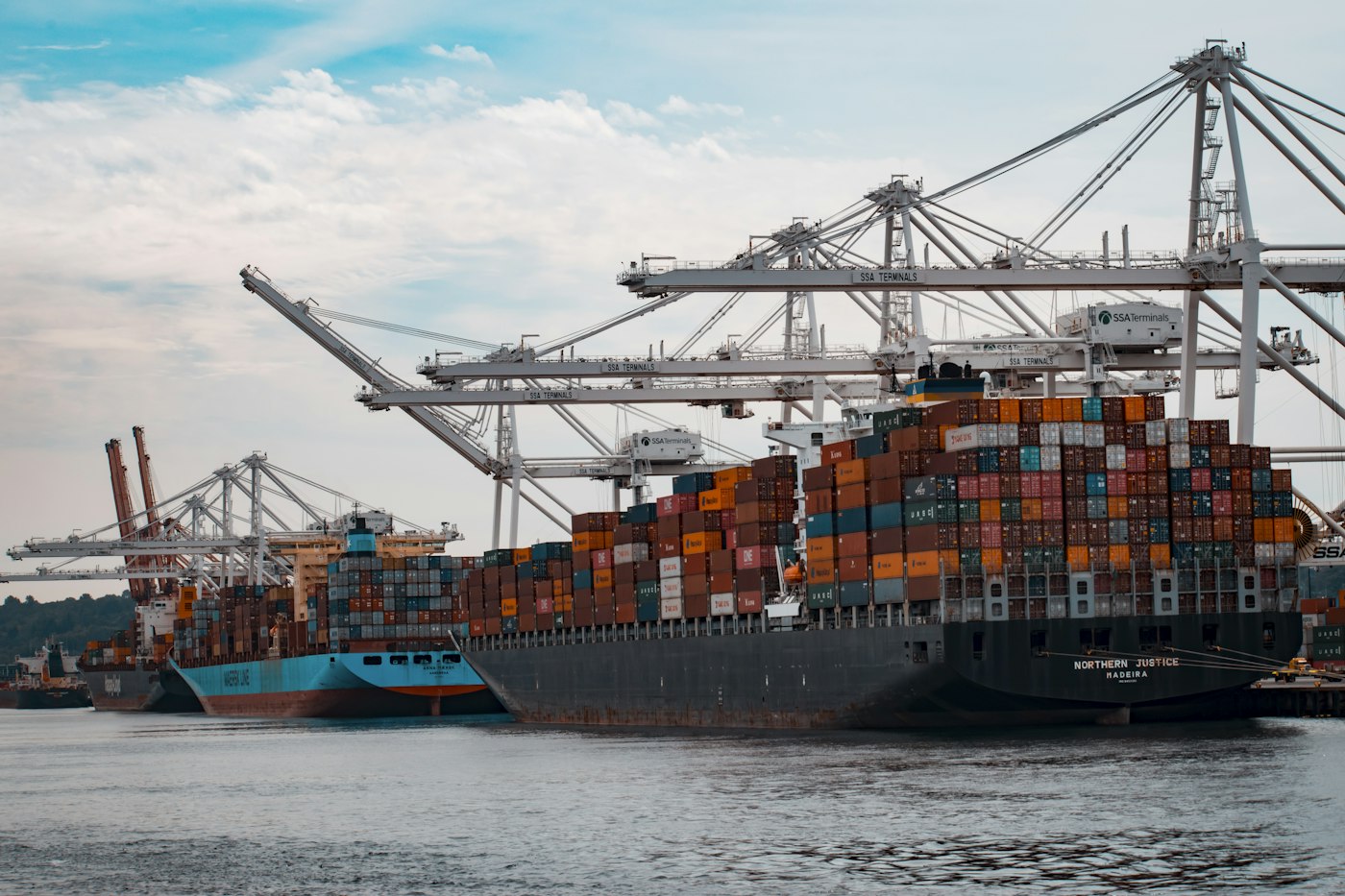
An LC is a bank’s promise to pay the exporter when the shipping documents match the credit: bill of lading, commercial invoice, packing list, and any inspection certificate named in the LC.
Importers use this for containers through Mombasa or the Nairobi ICD. We prepare the file, the margin, and the wording with a banking partner so your supplier ships. Sight LCs pay on presentation. Usance LCs give you time after the documents arrive. A discrepancy in the papers can stall the cargo — we check the draft before it is issued.
 07
Pay the supplier before the stock sells
The invoice, ocean freight, and duty are due before the first customer pays you. Import finance covers that gap for a tenor that matches the voyage, clearance, and your selling cycle — not a 30-day shop loan stretched to fit a container.
We look at the supplier, the Incoterm, the HS codes for duty, and who will take the goods. Funds can sit against the LC, the bill of lading, or the warehouse once cargo has landed.
 08
Cash against a billed sale
You have delivered. The invoice is clean. The buyer pays in 30, 60, or 90 days. We advance a share of that invoice so payroll and restocking do not wait on their payment run.
The quality of the debtor matters as much as your books. Supermarket chains, distributors, and public entities with a payment history can support a better advance. We notify the buyer where the contract allows, and we collect against the same invoice.
 09
You have the order. You need the stock.
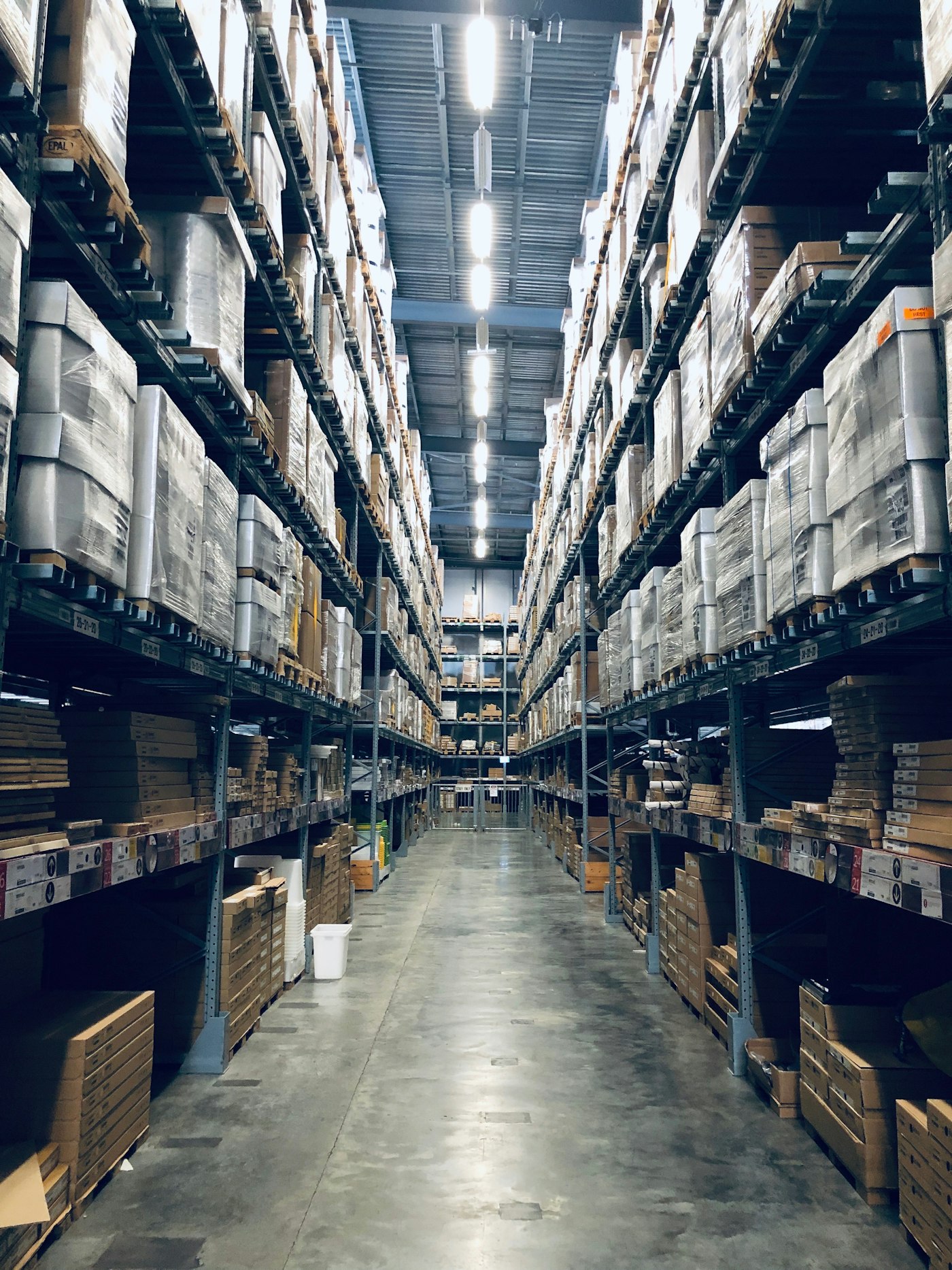
A confirmed purchase order is not cash. If the buyer is solid and the margin is real, we fund the purchase from your supplier so you can deliver.
Typical on retail, hospitality, and institutional supply — a PO from a chain or a hotel that you cannot fill from your own warehouse. We pay the supplier, you deliver, and we recover from the proceeds. The order, the supplier quote, and the buyer’s credit decide the limit.
 10
When the cycle is longer than a month
Imarisha covers a short restock. Working capital finance is for traders and distributors whose stock, receivables, and payables do not reset every 30 days.
We look at the whole cycle: what you buy, how long it sits, who owes you, and when you must pay suppliers. The facility can revolve as invoices are collected. It is still credit, explained in writing, not an overdraft you draw in the dark.
 11
The buyer’s name carries the file
A strong buyer confirms invoices from many small suppliers. We pay those suppliers early, at a rate that sits on the buyer’s credit, not on each supplier’s thin file.
Processors, retailers, and manufacturers use this to keep their vendors funded without stretching their own payables. Suppliers get cash after delivery. The buyer pays us on the original due date. Everyone stays in the same chain.
 12
The goods are the security
For tea, coffee, grain, oil, steel, and other cargo that moves through a warehouse or an offtake contract. The facility is built around the goods, the collateral manager, and the sale — not a generic overdraft on the company.
We take assignment of the offtake, control of the warehouse receipt where one exists, and a repayment path from the buyer. Used when a single shipment or season is larger than an ordinary working-capital line.
Next step
Apply here, dial *606#, or walk into a branch. We will tell you which instrument fits and what we need from you.